AREAS OF APPLICATION AND SECTORS
At FDWATER, we develop and integrate technical solutions for multiple industrial and environmental sectors that require the use of lime, activated carbon, solid chemicals, and filter media. Our systems are present in key processes such as water treatment, gas purification, waste conditioning, and other critical operations where precision, operational continuity, and regulatory compliance are essential.
Thanks to our collaboration with SOTECMA, a specialist in solids processing and handling systems, we offer turnkey solutions that cover everything from system design to assembly and automation.
In this section, we present the main application areas of our technologies, along with specific examples of processes and sectors where FDWATER adds value through robust, modular, and high-performance equipment.
Water treatment plants: Drinking Water, Desalination and Wastewater Treatment
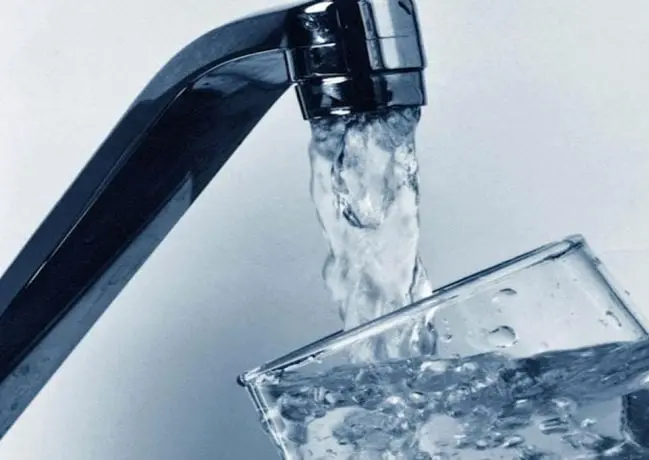
Drinking Water Treatment Plant (DWTP)
Calcium Hydroxide in DWTP
The dosing of calcium hydroxide in water treatment plants requires maximum reliability and accuracy to ensure process efficiency.
Our integrated systems for storage, dosing, slurry preparation and pumping are designed for continuous operation, automatically adjusting the required lime dosage based on the plant pH signal, all controlled from the client’s control system.
Lime slurry preparation and pumping systems have multiple applications in industrial, environmental and municipal sectors. The most common uses of calcium hydroxide (Ca(OH)₂) include:
- pH adjustment in DWTP.
- Remineralisation of demineralised or desalinated water.
- Improvement of coagulation and flocculation in combination with other reagents.
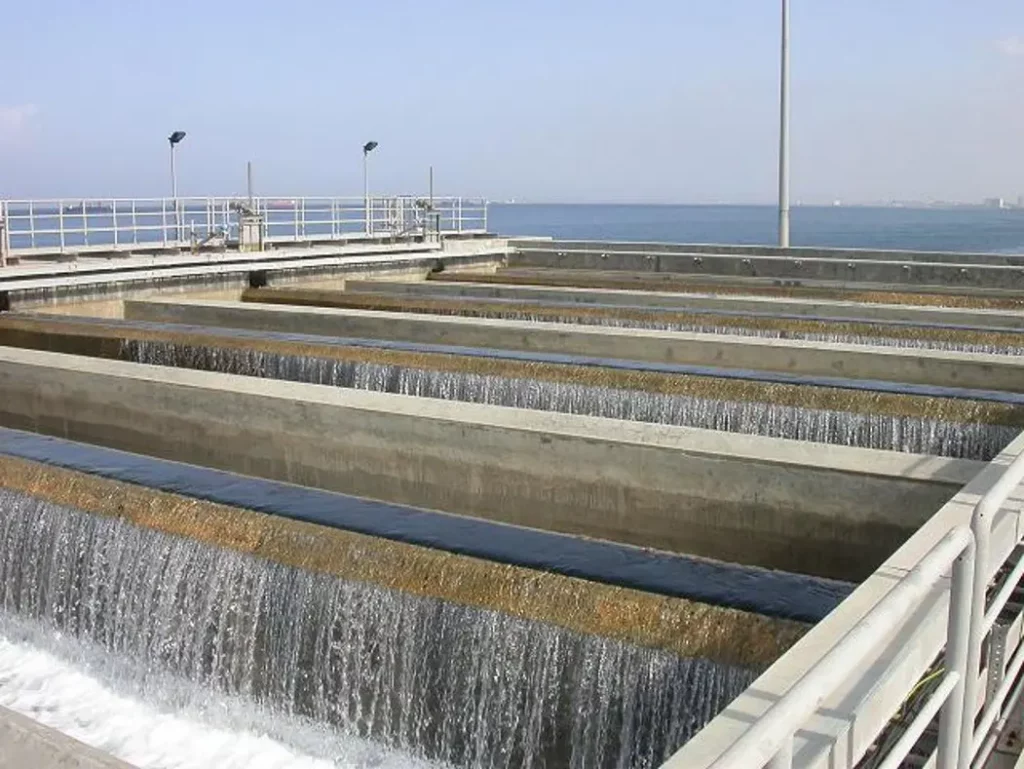
Seawater Desalination Plant (SWRO)
The remineralisation process, very similar to pH adjustment in a DWTP, is carried out continuously and automatically regulated by hardness measurement equipment based on the Langelier Index of the lime saturator. As standard practice, both lime and water flow rates are precisely controlled to ensure the quality of the treated water.
In desalination plants, often located in areas with logistical constraints, bulk lime supply can be complex and costly. For this reason, alternative solutions such as Big Bags are particularly attractive—either for direct dosing using our Big Bag unloaders or as an intermediate storage system.
These FDWATER-developed solutions provide an efficient, safe and adaptable option for each installation, optimising operating costs and simplifying product handling.
Remineralisation with Calcium Hydroxide, Ca(OH)₂
In desalination plants, remineralisation with calcium hydroxide requires maximum dosing reliability. FDWATER installations are designed to deliver:
- Precision: accurate dosing to ensure water quality and optimal consumption of reagents (Ca(OH)₂ and CO₂).
- Flexibility: operation adaptable to seasonal production variations, with a wide flow range.
- 24/7 availability: robust, low-maintenance and highly reliable equipment for continuous operation.
Common Challenges in Lime Systems (and How We Solve Them)
For many years, numerous lime handling installations have suffered from operational problems caused by poor system design. At FDWATER, we address these challenges with tailor-made technological solutions.
Common issues
- Arching and ratholing inside silos
- Lack of reliable product level indication
- Blockages, process interruptions and inaccurate dosing
- Variations in lime slurry concentration
- Dust emissions, scaling in pumping lines and frequent shutdowns
FDWATER solutions
- Silos equipped with mechanical arch breakers and product level detectors
- Dosing screws with isolation valves and anti-blockage systems
- Automatic slurry preparation tanks with integrated cleaning systems
- Dust reduction through effective containment solutions
- Application-specific pumps with automatic flushing
- Full process automation from the main control panel
Designed for Large-Scale Installations
- Redundant equipment design to ensure continuous operation
- Energy optimization across all systems
- Full integration with the client’s control system
The lime silo and slurry preparation systems developed by FDWATER overcome the traditional challenges of lime handling, delivering high reliability, operational efficiency and precise process control, both in new plants and in the modernization of existing facilities.
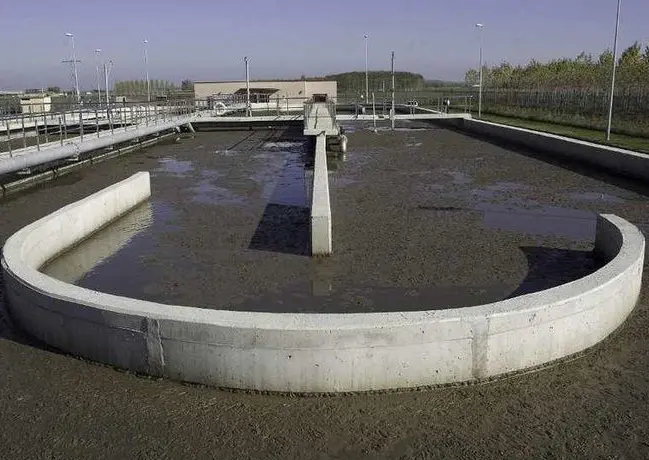
Wastewater Treatment Plant (WWTP / IWWTP)
In municipal and industrial wastewater treatment plants (WWTPs), lime dosing is a key operation within the physico-chemical treatment process. FDWATER designs and supplies complete systems for the storage, dosing and preparation of calcium hydroxide slurry, fully automated and tailored to the specific requirements of each installation.
Lime is mainly used for pH neutralization, heavy metals precipitation and sludge stabilization. These applications require continuous, accurate and safe dosing, which our systems ensure through dosing screws, isolation valves, automatic slurry preparation tanks and process-specific pumps.
FDWATER systems can be fed either from silos or via Big Bag unloading, allowing adaptation to different logistical conditions and consumption levels. Our solutions stand out for their robustness, reliability and low maintenance, delivering optimal performance in the demanding environment of municipal and industrial wastewater treatment plants.
Typical Applications in Wastewater Treatment:
- Neutralization of acidic effluents in industrial processes
- Precipitation of heavy metals, phosphates and fluorides
- Sludge stabilization and dewatering
- Odor control and pathogen reduction in treated sludge
Gas Treatment
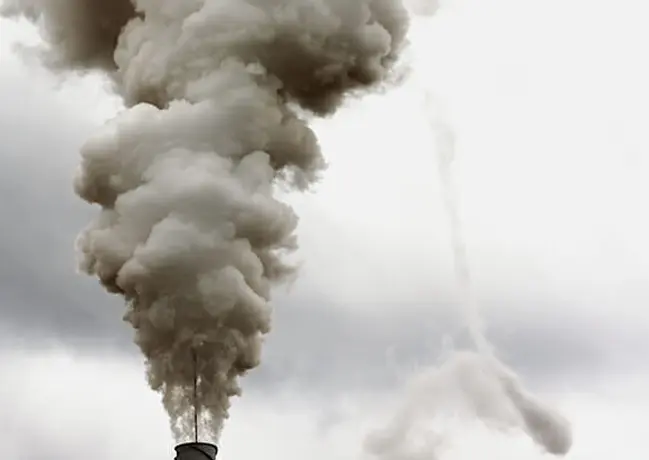
Industrial Gas Treatment
Industrial thermal processes generate pollutant emissions that must be treated before being released into the atmosphere. At FDWATER, in collaboration with SOTECMA, we design and integrate complete systems for the dosing and conveying of solid reagents used in industrial gas treatment, ensuring regulatory compliance and maximum operational efficiency.
Where Do These Gases Come From?
Activities such as combustion, incineration, drying, curing, melting or energy recovery generate gas streams containing pollutants such as:
- Acid gases: sulfur dioxide (SO₂), hydrogen chloride (HCl), hydrogen fluoride (HF)
- Heavy metals: mercury (Hg), cadmium (Cd), lead (Pb)
- Hazardous organic compounds: dioxins, furans, VOCs
These compounds are highly toxic, persistent and subject to strict regulation under legislation such as Directive (EU) 2015/2193, RD 1042/2017, and other regional or sector-specific regulations.
Technical Solutions Based on Solid Reagents
The use of dry or semi-dry reagents significantly reduces plant complexity compared to wet technologies. FDWATER supplies and sizes systems for the dosing of:
- Quicklime (CaO): neutralizes acid gases and provides additional thermal energy.
- Hydrated lime (Ca(OH)₂): highly effective for the absorption of SO₂, HCl and HF.
- Calcium carbonate (CaCO₃): a technical option for specific processes or as a pre-treatment stage.
- Powdered activated carbon (PAC): adsorbs heavy metals, persistent organic compounds, mercury, dioxins and furans.
- Activated or calcined lignite: a cost-effective solution for contaminant adsorption.
Design and System Integration
Our systems are designed for continuous and fully automatic operation, delivering high reliability in demanding industrial environments. They include:
- Fully equipped steel silos (5 to 200 m³) with extraction and fluidization systems
- Arch breakers combined with dosing screws to ensure a constant reagent flow
- Weighing or volumetric dosing systems for accurate flow control
- Pneumatic conveying of reagents to the injection point (reactors, filters, ducts)
- Full automation, fully compatible with the plant control system (PLC, SCADA)
Typical Industrial Applications
FDWATER solutions are applied in industrial facilities such as:
- Municipal and industrial waste incineration plants
- Biomass and thermal cogeneration plants
- Cement kilns and foundries
- Chemical, pharmaceutical, pulp and paper, and metallurgical industries
- Flue gas treatment in boilers and thermal processes
Key Advantages of Our Solutions
- Regulatory compliance
- Modular systems adaptable to new or existing plants
- Reduced operation and maintenance costs
- High contaminant capture efficiency
- Robust design and advanced automation
FDWATER, together with SOTECMA, provides turnkey solutions and specialised technical consultancy to ensure your installation meets current and future emission limits.
Powdered Activated Carbon (PAC)
The powdered activated carbon (PAC) dosing and slurry preparation systems developed by FDWATER are installed in key sectors such as drinking water treatment, wastewater treatment and industrial processes with gaseous emissions.
Powdered activated carbon (PAC) is used in drinking water treatment plants (DWTPs) as an effective solution for removing organic contaminants and improving water quality, especially to address seasonal or occasional issues. Its application enables the control of compounds such as Geosmin and MIB (taste and odor), as well as pesticides, trihalomethanes, algal toxins, volatile organic compounds (VOCs), endocrine disrupting compounds (EDCs) and other emerging contaminants.
Given the sensitivity and cost of the product, accurate and safe dosing is essential. FDWATER’s PAC dosing and slurry preparation systems are designed to ensure reliable operation tailored to each specific operating condition, regardless of the type of carbon used (density, particle size, solid flow behavior or slurry characteristics).
Our systems can operate in both continuous and batch modes and are designed to handle different types of PAC, thanks to their high versatility and ease of adjustment. This results in improved operational efficiency and full control of the process.
Drinking Water Treatment (DWTP):
- Removal of Geosmin and MIB (odours and tastes).
- Adsorption of pesticides, herbicides, VOCs and microcontaminants.
- Reduction of PFAS, disinfection by-products and volatile organic compounds.
Wastewater Treatment (WWTP / IWWTP):
• Adsorption of organic matter and reduction of COD.
• Removal of emerging contaminants in tertiary treatment processes.
Gas and Air Treatment:
- Capture of dioxins, furans, mercury and other hazardous contaminants.
- Filtration of emissions in combustion and incineration processes.
Waste Recovery and Treatment
Sludge Treatment
Sludge treatment through lime addition is an effective solution to improve handling, hygienization and valorization. At FDWATER, we design and integrate complete systems for the dosing of quicklime (CaO), hydrated lime (Ca(OH)₂) and calcium carbonate (CaCO₃), tailored to the specific requirements of each installation.
Municipal and industrial wastewater treatment plants generate sludge with high moisture content and organic load, making handling difficult and causing odor emissions. Controlled lime addition improves both the physical and sanitary properties of the sludge:
- Quicklime (CaO) reduces moisture due to its hygroscopic properties and exothermic reaction, increasing sludge dryness.
- Hydrated lime (Ca(OH)₂) and quicklime raise the pH, eliminating pathogenic microorganisms and stabilizing the residue.
- The process facilitates handling, reduces odors and improves final sludge valorization.
Accurate dosing and proper homogenization are key to the effectiveness of the treatment.
Advantages of Lime Treatment
- Agricultural valorization
Treated sludge reaches a high pH and meets the requirements for use as an agricultural soil amendment. Thanks to its content of organic matter, calcium and nutrients, it improves soil structure, corrects acidity and stimulates beneficial microbiology. It represents a sustainable alternative to chemical fertilizers, fully compliant with environmental regulations.
- Reduced management costs
Lime treatment reduces sludge fermentability and odors, limiting vector proliferation and improving dewatering performance. This results in lower volumes to be transported and stored, optimizing logistics costs, facilitating mechanical handling and reducing overall plant operating costs.
- Adaptable and modular solution
The lime treatment systems designed by FDWATER are modular and scalable, suitable for both fixed and mobile installations. They can be adapted to municipal wastewater treatment plants, industries with intermittent sludge generation, as well as pilot projects or emergency situations. These systems allow fast commissioning, low maintenance and easy integration into existing or new treatment lines.
Recycling and Waste Sorting Centres
Our equipment is especially suited for use in municipal solid waste (MSW) treatment and recovery plants, as well as in industrial waste and construction and demolition waste facilities. We provide robust, modular and adaptable solutions for the different stages of the process:
Typical Applications
- Reception and storage of crushed materials using silos, hoppers or custom-designed steel structures
- Controlled extraction and dosing of neutralizing additives (such as lime, carbonate, etc.) for waste stabilization
- Solid conveying by screw conveyors, bucket elevators or pneumatic conveying systems
- Screening and classification of materials by size (inerts, plastics, metals, organics, etc.)
- Moistening and mixing of dry waste with reagents or water for handling, inertization or compaction
- Dust collection and air quality improvement using bag filters or cartridge filters, especially in unloading or screening areas
Types of Waste Treated
- Construction and demolition waste (CDW)
- Residual fraction and organic fraction of municipal solid waste (MSW)
- Non-hazardous industrial waste
- Recoverable materials (plastics, cardboard, metals, aggregates)
- Dewatered or dried sludge
Typical Clients
- Municipal and industrial waste management companies
- Operators of hazardous and non-hazardous waste treatment plants
- Construction material recycling companies
- Municipal consortia and public waste management entities
Industry
Industrial Applications
In industrial environments, the use of products such as lime, activated carbon and specific filter media is key to meeting environmental regulations, optimising processes and reducing hazardous waste.
FDWATER provides solutions tailored to each process, designed to be efficiently and safely integrated into demanding environments, both in new installations and plant upgrades.
We work with diverse sectors that require precise dosing systems, reliable automation and operational flexibility:
Chemical and Petrochemical Industry
- Neutralization of acidic or alkaline effluents using calcium hydroxide
- Removal of organic contaminants from liquid or gaseous streams using activated carbon
- Adsorption of VOCs and reduction of hazardous compounds in thermal process emissions
- pH adjustment in internal treatment systems or discharge streams
Food and Beverage Industry
- Treatment and clarification of process and cleaning waters
- Adsorption of odors, tastes and contaminants in water using activated carbon
- Removal of undesirable compounds in CIP streams or wastewater
- Preparation of chemical solutions in automated and safe systems
Mining and Metallurgical Industry
- Precipitation of heavy metals in wastewater and leachates
- Conditioning of sludge and waste with lime to facilitate handling
- Adsorption of organic and inorganic contaminants in process water
Pulp and Paper Industry & Textile Industry
- pH adjustment and color control in liquid discharges
- Reduction of COD, suspended solids and toxic compounds
- Improved performance of clarification and filtration systems
Energy Recovery and Waste Management
- Control of acid gas emissions (SO₂, HCl) through dry or semi-dry lime injection
- Capture of mercury, dioxins and furans using activated carbon in incineration or biomass plants
- Stabilization of waste using solid reagents for inertization
Technical Solutions for Industry
FDWATER designs and integrates systems that meet the demands of industrial environments:
- High-precision bulk solids dosing.
- Preparation of slurries and suspensions with controlled concentration.
- Full automation with customised electrical control panels.
- Modular, compact and easy-to-maintain equipment.
- ATEX options and materials resistant to corrosion or abrasion.